

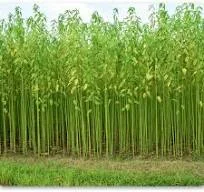
Jute, popularly known as the "golden fibre," is a long, soft, and shiny vegetable fibre spun into coarse, highly durable threads. Derived from the inner bark of plants in the Corchorus genus—primarily Corchorus capsularis (white jute) and Corchorus olitorius (tossa jute)—it belongs to the mallow family. Globally, it ranks second only to cotton in production volume and versatility among natural fibres.
Jute cultivation refers to the agricultural process of growing, harvesting, and processing jute plants to extract their strong, natural bast fibres. This eco-friendly crop is grown annually in warm, humid regions with heavy rainfall and fertile alluvial soil, primarily using traditional methods like "retting" (soaking the stems in water) to separate the fibre from the stalk.
For farmers, cultivating jute provides a unique combination of financial security and agricultural benefits:
💼 Economic Benefits
- Guaranteed Cash Income: Known as a "cash crop," jute provides farmers with quick, direct income immediately after harvest, helping fund their household needs and the next planting season.
- Low Initial Investment: Jute requires fewer expensive chemical pesticides and fertilizers compared to crops like cotton, making it cheaper and more accessible for small-scale farmers to grow.
- High Global Demand: With the global push to ban single-use plastics, the market for biodegradable jute items (bags, packaging, and textiles) is steadily rising, ensuring a reliable market for growers.
🌱 Agricultural & Soil Benefits
- Natural Crop Rotation Tool: Planting jute between food crop cycles breaks pest and disease chains, keeping fields healthier without relying on chemical interventions.
- Improves Soil Fertility: Jute sheds a massive volume of leaves during its growth cycle. These leaves decompose directly into the ground, acting as a rich, organic manure that enriches the soil with nutrients.
- Boosts Next Crop Yields: Because jute leaves behind heavily nutrient-rich soil, farmers typically see a significant increase in the yields of subsequent food crops, such as rice or vegetables, planted on the same plot.
- Zero Waste Utilization: Beyond the valuable outer fibre, the remaining woody inner stalks (jute sticks) are used by farming families as household firewood, fencing materials, or sold to paper pulp industries for extra cash.
Project Details
Support this Project
Your small contribution can make a significant difference in the success of this initiative.
Donate Now