HHL Hospital
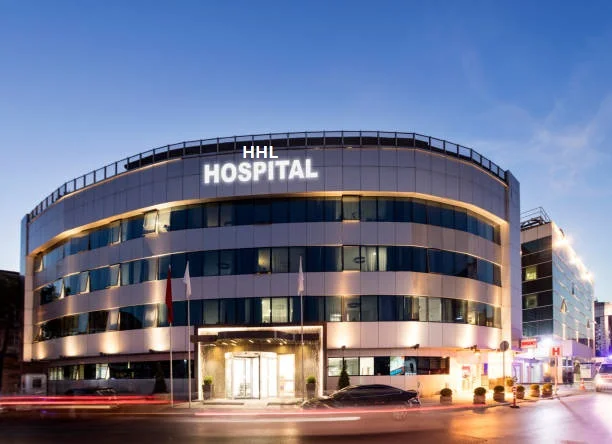
Helping Hand For Livelihood Foundation is establishing a non profit community hospital dedicated to providing high-quality, low-cost healthcare to poor and marginal families. Driven by the core belief that financial hardship should never be a barrier to survival, this healthcare facility is designed to bridge the gap in medical equity, bringing dignity, compassion, and advanced medical treatment to underserved populations.Core Mission & VisionAffordable Excellence: Delivering reliable, evidence-based medical treatments at a fraction of standard private hospital costs.Dignity in Care: Ensuring every patient, regardless of their socio-economic background, receives respectful, equal, and comprehensive attention.Preventative Wellness: Shifting the focus from just treating illnesses to community-wide health education and early intervention.Key Features & FacilitiesTo ensure comprehensive care for the community, the hospital will be equipped with essential departments and services:Outpatient Department (OPD): Daily consultation clinics covering general medicine, pediatrics, and gynecology at nominal registration fees.Inpatient Wards (IPD): Clean, well-ventilated, and highly subsidized general wards managed by dedicated nursing staff.24/7 Emergency Care: A round-the-clock casualty unit to handle trauma, acute illnesses, and medical emergencies without delaying care for upfront payments.Diagnostic & Imaging Lab: Low-cost, in-house pathology lab, X-ray, and ultrasound services to provide quick and affordable testing.Subsidized Pharmacy: A fully stocked generic medicine pharmacy offering lifesaving drugs at manufacturing or highly discounted costs.Maternal and Child Healthcare: Specialized labor rooms and neonatal care focused on safe deliveries and reducing infant mortality in rural or marginalized pockets.Impact and Sustainability ModelThe hospital operates on a community-first, sustainable model to ensure long-term service delivery:Cross-Subsidization: Utilizing a tiered pricing model or corporate partnerships to subsidize treatments for those living below the poverty line.Community Outreach: Mobile health vans and weekend health camps extending deep into remote areas to screen for chronic conditions like diabetes, hypertension, and malnutrition.Trained Medical Volunteers: Partnering with empathetic medical professionals, specialists, and nursing colleges to maintain a high standard of patient care.
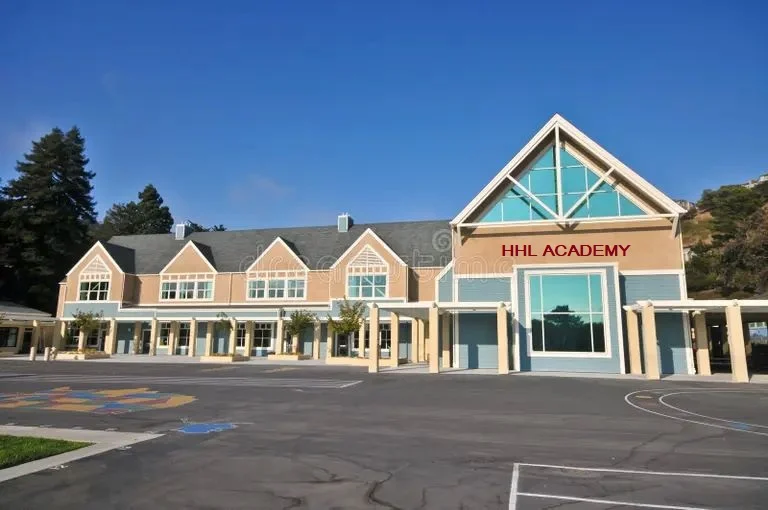
HHL Academy
Helping Hand For Livelihood Foundation is establishing a low-cost, high-quality community school dedicated to providing accessible education to children from poor and marginalized families. Driven by the belief that education is the ultimate tool to break the cycle of poverty, this institution is designed to bridge the educational divide. It will provide underserved children with the modern knowledge, life skills, and digital literacy needed to build a secure and self-reliant future.Core Mission & VisionAccessible Quality: Offering a robust, modern curriculum at minimal or zero tuition fees for underprivileged students.Holistic Growth: Fostering academic excellence alongside character development, critical thinking, and vocational skills.Empowerment Through Literacy: Ensuring first-generation learners receive the foundational support needed to succeed in higher education and employment markets.Key Features & FacilitiesTo give every child a complete and enriching learning experience, the school will feature essential infrastructure and programs:Smart & Interactive Classrooms: Digitally equipped learning spaces that make education engaging, visual, and easy to comprehend.STEM & Science Labs: Practical laboratory spaces for physics, chemistry, biology, and computer science to nurture early scientific curiosity.Comprehensive Library: A well-stocked reading room with textbooks, reference materials, storybooks, and digital learning tools.Free Learning Kits: Provision of complimentary textbooks, notebooks, stationery, and school uniforms to eliminate hidden expenses for families.Nutritional Mid-Day Meals: A daily, balanced meal program to ensure optimal student health, improve concentration, and boost classroom attendance.Remedial Classes: Dedicated evening or weekend support programs for slow learners and first-generation students who lack academic support at home.Future-Ready Skills & Sustainability ModelThe school operates on a community-centric, scalable framework to ensure long-term community transformation:Vocational & Skill Training: Introducing basic coding, financial literacy, and hands-on technical skills early on to prepare students for the modern job market.Girl Child Education Incentives: Special scholarships, awareness drives, and counseling to ensure safe enrollment and retention of young girls.Community Integration: Regular parent-teacher meetings and adult literacy workshops to uplift the entire community alongside the children.
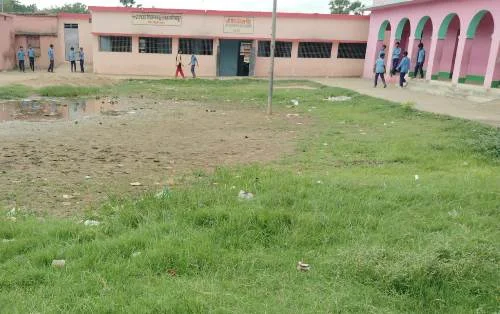
School Harbal Garden
The School Herbal Garden (SHG) is a national initiative launched by the National Medicinal Plant Board (NMPB), Ministry of Ayush, Government of India. Operating as a "living repository-cum-laboratory," the programme provides financial assistance to establish dedicated green spaces within school premises to cultivate medicinal and aromatic plants. The goal is to move traditional ecological learning away from textbooks and into dynamic, hands-on, eco-friendly environments.🌿 Core Objective & PurposeThe scheme bridges the gap between students and traditional Indian systems of medicine (Ayurveda, Unani, Siddha, and Homeopathy). It aims to:Foster Awareness: Teach students about the value of local medicinal plants used in day-to-day life for health, wellness, and first aid.Provide Experiential Learning: Act as an outdoor classroom where students observe, nurture, and experiment with plants.Promote Conservation: Cultivate civic and environmental responsibility in young minds toward preserving biodiversity.📐 Standard Specifications & LayoutWhile specific project sizes vary based on school infrastructure, typical NMPB sponsored models follow structured setup guidelines:Space Requirements: A typical standard layout targets approximately 500 square meters within or near the school campus. Bigger setups under expanded components can scale higher.Plant Diversity: Each school garden is expected to feature a diverse baseline of 15 to 25 commonly used medicinal plants chosen for their educational and therapeutic value.Organization: Plants must be systematically arranged with weather-resistant signage indicating their common names, botanical classifications, and traditional health uses.🥦 The "Poshan Vatika" (Nutri-Garden) ExpansionUnder its Central Sector Scheme on Conservation, Development and Sustainable Management of Medicinal Plants, the Ministry of Ayush expanded this model into the Poshan Batika initiative